


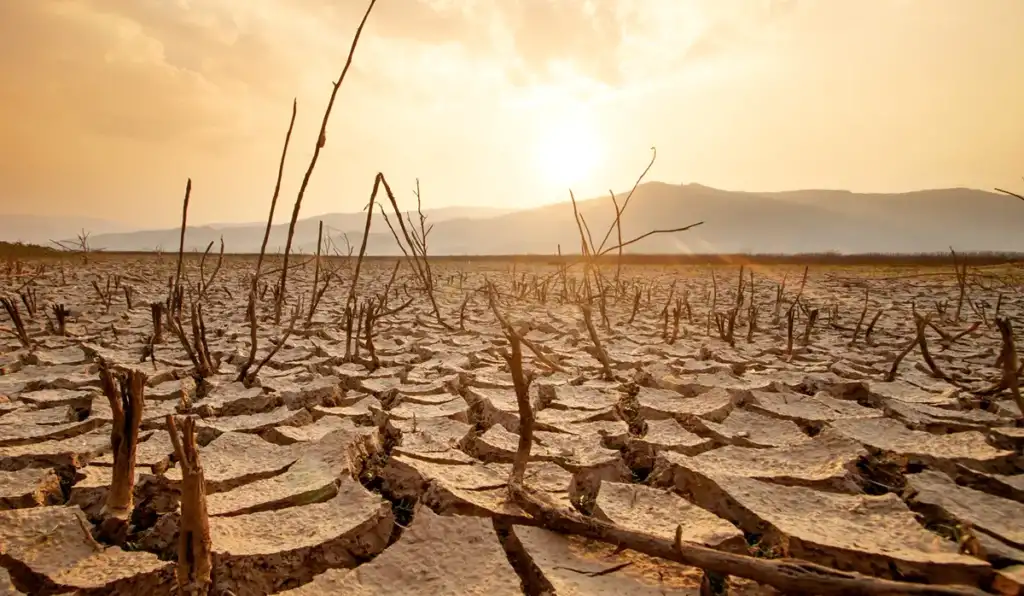
KwaZulu-Natal residents are being urged to prepare for potentially hotter weather, prolonged dry spells and water shortages as El Niño threatens to affect rainfall across the province during the 2026/27 summer season.
The provincial government has called on households, farmers, businesses and municipalities to take precautionary measures as forecasts point to below-normal rainfall and above-normal temperatures in the coming months.
The warnings come as the South African Weather Service (SAWS) forecasts an increased likelihood of drier conditions across parts of the country during the summer rainfall season.
El Niño raises concerns over rainfall
El Niño is a natural climate phenomenon involving warmer-than-usual sea surface temperatures in the central and eastern equatorial Pacific Ocean. These changes can influence weather patterns across the world, including rainfall and temperatures in southern Africa.
South Africa typically experiences a greater risk of below-normal summer rainfall and higher temperatures during El Niño events, although the effects can vary between regions.
According to the South African government’s September 2026 update on agricultural weather conditions, the SAWS seasonal outlook indicated that El Niño was expected to continue through the 2026/27 summer season, with below-normal rainfall forecast for many areas.
The latest outlook has raised concerns about the potential effects on water supplies, agriculture and communities already vulnerable to extreme heat.
Government steps up disaster preparations
KwaZulu-Natal Co-operative Governance and Traditional Affairs MEC Reverend Thulasizwe Buthelezi has urged residents and businesses to prepare for the possible effects of prolonged dry conditions and heatwaves.
According to reporting by The Witness on October 16, the province’s Provincial Disaster Management Centre is coordinating preparedness efforts with municipalities and government departments responsible for health, agriculture, water and sanitation, environmental affairs and social development.
The preparations include monitoring drought indicators, improving water conservation and developing contingency plans to maintain supplies if conditions deteriorate.
Municipalities have also been urged to address water leaks and strengthen measures to reduce unnecessary water losses.
The Department of Water and Sanitation is expected to monitor dam levels and support drought-response measures, while agricultural authorities are to advise farmers on practices that can help limit the effects of dry weather.
Water conservation becomes increasingly important
Reduced rainfall combined with higher temperatures could place additional pressure on dams, rivers and municipal water systems.
Professor Sheena Kumari of the Durban University of Technology’s Institute for Water and Wastewater Technology has warned that lower rainfall could reduce the amount of water flowing into dams and rivers, while higher temperatures could increase evaporation.
Kumari has urged households, institutions and municipalities to start conserving water before shortages become more severe.
She has also highlighted the importance of repairing leaking pipes and reducing the loss of treated drinking water.
Lower river levels could create additional water-quality concerns in areas where pollution is already a problem, as reduced flows may leave less water available to dilute contaminants.
Residents are therefore encouraged to use water responsibly, report leaking infrastructure and avoid unnecessary consumption.
Farmers warned of possible crop and livestock losses
Agriculture is another sector that could come under pressure if rainfall remains below normal during the planting season.
Prolonged dry conditions and high temperatures can affect soil moisture, hinder crop development and increase heat stress among livestock.
Farmers are being encouraged to monitor weather forecasts, plan water use carefully and consider measures to reduce their exposure to drought-related losses.
The provincial government’s preparations include agricultural advice on climate-smart farming practices and drought-resistant crops.
A difficult summer rainfall season could also have wider consequences for food production and rural livelihoods if crops and livestock are affected.
Heatwaves and veld fires among the risks
The potential effects of El Niño extend beyond water shortages and agriculture.
Hotter and drier conditions can increase the risk of veld and forest fires, particularly when vegetation becomes dry and winds help fires spread.
Residents are urged to avoid activities that could start fires and to take extra care when working or spending time outdoors during periods of extreme heat.
Children, older people and residents of informal settlements may be particularly vulnerable to high temperatures. Communities are encouraged to take precautions, remain hydrated and pay attention to official weather warnings.
Northern KwaZulu-Natal has also faced warnings over dry, windy conditions and fire danger, alongside a heatwave expected to persist into Saturday, according to reporting published by East Coast Radio on October 16.
Residents urged to follow official forecasts
Although El Niño increases the likelihood of certain weather patterns, it does not guarantee that every part of KwaZulu-Natal will experience drought or below-normal rainfall.
The South African Weather Service has cautioned that El Niño is not, on its own, a rainfall forecast. Regional weather patterns and other climate influences can affect the actual conditions experienced in different parts of the country.
Residents should therefore continue monitoring official seasonal outlooks and weather alerts as the summer progresses.
Early preparation, responsible water use and effective disaster planning could help communities and businesses limit the impact of a potentially challenging summer.
The provincial government has stressed that preparedness requires cooperation between government, municipalities, businesses and the public, with residents encouraged to take practical steps to protect their families, property and livelihoods.




Comments